

Dental veneers are one of the most popular cosmetic dentistry solutions, transforming smiles across millions of patients every year. But before you commit to the procedure — or if you already have veneers — one question keeps coming up: how long do veneers last, and what factors affect how long veneers last over time?
The answer isn’t a simple number. It depends on the type of veneer, your oral habits, your dentist’s skill, and how well you care for them over the years. In this guide, we break it all down — so you can make the smartest decision for your smile and your budget.
What Are Dental Veneers?
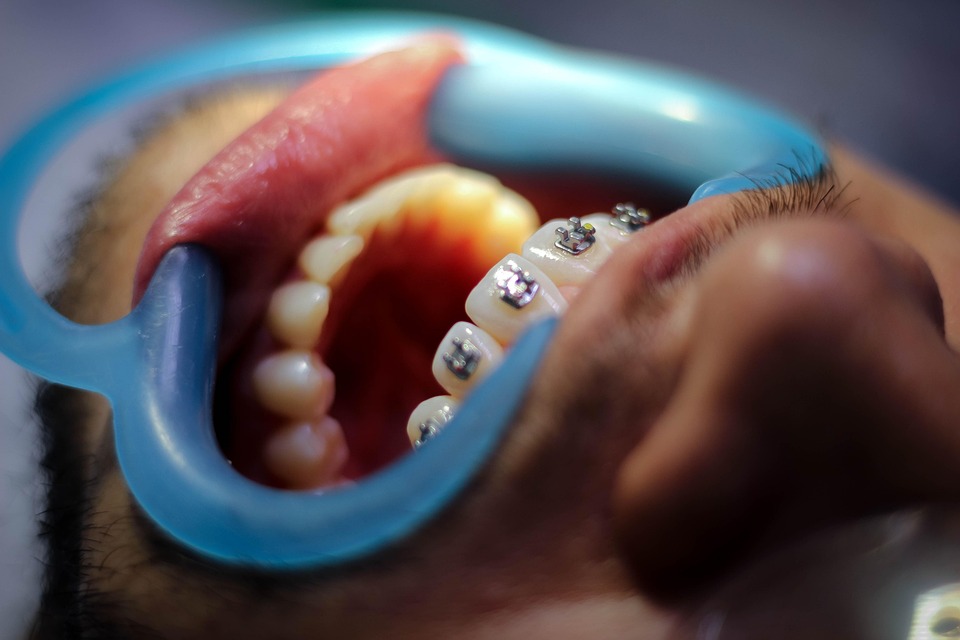
Dental veneers are thin, custom-made shells bonded to the front surface of your teeth. They’re designed to improve the appearance of teeth that are:
- Discolored or stained
- Chipped or broken
- Uneven, misaligned, or irregularly shaped
- Worn down
- Gapped
Veneers are most commonly made from porcelain or composite resin, and each material has a very different lifespan and set of maintenance requirements.
How Long Do Veneers Last? (By Type)
Porcelain Veneers Lifespan
Porcelain veneers typically last between 10 to 25 years with proper care. They are the gold standard in cosmetic dentistry — highly durable, stain-resistant, and incredibly natural-looking.
Porcelain closely mimics the translucency of natural tooth enamel, making it virtually indistinguishable from your real teeth. Because of this, they tend to be the preferred choice for long-term smile transformations.
Factors that maximize porcelain veneer lifespan:
- Regular professional cleanings every 6 months
- Wearing a nightguard if you grind your teeth
- Avoiding biting directly into hard foods (like apples or ice)
- Using non-abrasive toothpaste
Composite Veneers Lifespan
Composite resin veneers generally last between 5 to 7 years, sometimes up to 10 years with meticulous care. While more affordable and faster to apply (often in a single visit), they are more porous than porcelain — making them more susceptible to staining and chipping.
Composite veneers are a good option for patients who want a temporary transformation, or who are still deciding about a permanent cosmetic solution.
Composite veneer care tips:
- Avoid coffee, tea, red wine, and tobacco
- Polish regularly with composite-safe products
- Schedule check-ups as chips can be repaired early
Lumineers & No-Prep Veneers Lifespan
Lumineers (a brand of ultra-thin no-prep veneers) can last 10 to 20 years. Because they require minimal enamel removal, they’re considered a more reversible option.
However, because they are thinner, they may not cover severe discoloration as effectively and can be prone to cracking under heavy pressure.
Veneer Lifespan at a Glance
| Veneer Type | Average Lifespan | Stain Resistance | Cost Range (Per Tooth) |
| Porcelain | 10–25 years | High | £700–£1900 |
| Composite Resin | 5–10 years | Moderate | £200–£1100 |
| Lumineers | 10–20 years | High | £600–£1500 |
5 Factors That Affect Veneer Lifespan
Even the best veneers won’t last forever if you’re not taking care of them — or if underlying habits are working against them. Here are the biggest variables:
1. Oral Hygiene Habits
Poor oral hygiene leads to gum disease and decay around the veneer margins, which can compromise the bond and require early replacement. Brush twice daily, floss regularly, and use a non-abrasive fluoride toothpaste.
2. Teeth Grinding (Bruxism)
Grinding your teeth at night is one of the most common reasons veneers crack or chip prematurely. If you have bruxism, your dentist will recommend a custom nightguard — a simple solution that dramatically extends veneer life.
3. Diet and Lifestyle Choices
Chewing on hard objects (ice, pens, fingernails), biting hard foods directly, or consuming highly acidic beverages can weaken the adhesive bond over time. Smokers also see faster discoloration and deterioration.
4. Quality of the Dental Work
The skill and experience of your cosmetic dentist plays a huge role. Properly prepared and bonded veneers, using high-quality materials, will always outperform poorly executed ones — regardless of how well you care for them.
5. Natural Tooth Health Underneath
If the underlying tooth develops decay or the gum line recedes significantly, veneers may need to be removed and replaced earlier than expected. This is why regular dental check-ups are non-negotiable.
Signs Your Veneers Need Replacement
Your veneers will usually give you clues before they fail completely. Watch for these warning signs:
- Chipping or cracking visible on the veneer surface
- Dark edges or lines forming at the gum margin (sign of decay or veneer lifting)
- Discoloration that doesn’t go away with polishing
- Sensitivity in the tooth beneath the veneer
- Loose or detached veneer (dental emergency — call your dentist immediately)
- Gum recession exposing the tooth root beneath the veneer
If you notice any of these, schedule a dental consultation promptly. Early intervention is always cheaper and less invasive than waiting.
How to Make Your Veneers Last Longer: 7 Expert Tips
You’ve spent a significant amount on your new smile — here’s how to protect that investment for as long as possible.
1. Maintain a consistent oral hygiene routine – Brush gently twice a day with a soft-bristle toothbrush and non-abrasive toothpaste. Avoid whitening toothpastes, which can scratch veneer surfaces.
2. Floss daily carefully – Use waxed floss or a water flosser to clean around the veneer margins without dislodging them.
3. Wear a nightguard if you grind your teeth – Even if you don’t think you grind, ask your dentist — many people do it unconsciously. A custom nightguard is one of the best investments you can make for veneer longevity.
4. Avoid biting into hard foods directly – Cut hard fruits and vegetables into small pieces. Never use your teeth to open packaging or crack nuts.
5. Limit staining foods and beverages – Coffee, tea, red wine, and dark sodas can stain composite veneers and even affect the cement line around porcelain ones. Rinse with water after consuming them.
6. Quit smoking – Tobacco stains veneers faster than almost anything else — and compromises the gum health that supports them.
Visit your dentist every 6 months. Regular check-ups allow your dentist to catch early issues — a chipped edge, a loosening bond — before they become expensive problems.
7. Avoid DIY veneer kits. At-home veneer kits found online are not a substitute for professional veneers. They can damage your natural teeth and don’t offer real longevity.
Frequently Asked Questions (FAQs)
Q1: Do veneers last forever?
No — veneers do not last forever. Porcelain veneers are the most durable option, lasting 10 to 25 years, while composite veneers typically last 5 to 10 years. Lifespan depends heavily on oral hygiene, lifestyle habits, and the quality of the original dental work. Eventually, all veneers will need to be replaced.
Q2: Can veneers fall off?
Yes, veneers can occasionally debond (fall off), especially if the bonding cement deteriorates over time, the tooth has decay underneath, or the veneer has been subjected to excessive force. If your veneer falls off, save it and contact your dentist immediately — it may be re-bonded if undamaged.
Q3: How much does it cost to replace veneers?
Replacing a porcelain veneer typically costs between £700 and £1900 per tooth, similar to the cost of the original placement. Composite veneer replacement ranges from £200 to £1100 per tooth. Costs vary by location, dentist experience, and the number of veneers being replaced.
Q4: Do veneers require special maintenance?
Veneers don’t require a dramatically different care routine from natural teeth, but a few adjustments help: use a non-abrasive toothpaste, a soft-bristled toothbrush, avoid using your teeth as tools, and wear a nightguard if needed. The biggest maintenance tip is simply to keep your regular dental appointments.
Q5: Can you whiten veneers if they get stained?
Porcelain veneers cannot be whitened with traditional bleaching products. Once a porcelain veneer discolors significantly or its shade no longer matches your surrounding teeth, it typically needs to be replaced. Composite veneers can sometimes be polished to reduce surface staining, but are more prone to discoloration overall.
The Bottom Line: Your Veneers Can Last Decades — If You Let Them
So, how long do veneers last? The honest answer: anywhere from 5 to 25 years, depending on the type you choose, the quality of the application, and most importantly — how well you take care of them.
Porcelain veneers are the longest-lasting option and the closest thing to a permanent smile transformation. Composite veneers offer an accessible starting point. And with the right habits — consistent hygiene, a nightguard, smart eating choices, and regular dental visits — you can comfortably reach the upper end of any veneer’s lifespan.
Your smile is worth protecting. Treat your veneers like the investment they are.