

Let’s be honest — the words “You have a cavity” from your dentist can send a wave of dread through even the most composed person. You start imagining drills, needles, and a jaw sore for days. But here’s the truth most dentists wish more people knew: getting a dental filling is one of the most routine, manageable dental procedures out there — and for the vast majority of patients, it causes very little to no real pain.
If dental anxiety is holding you back from booking that appointment (you know the one you’ve been postponing), this guide is for you. We’ll walk you through exactly what happens during a filling, how much discomfort to realistically expect, and expert tips to make the whole experience as smooth as possible.
What Is a Dental Filling?
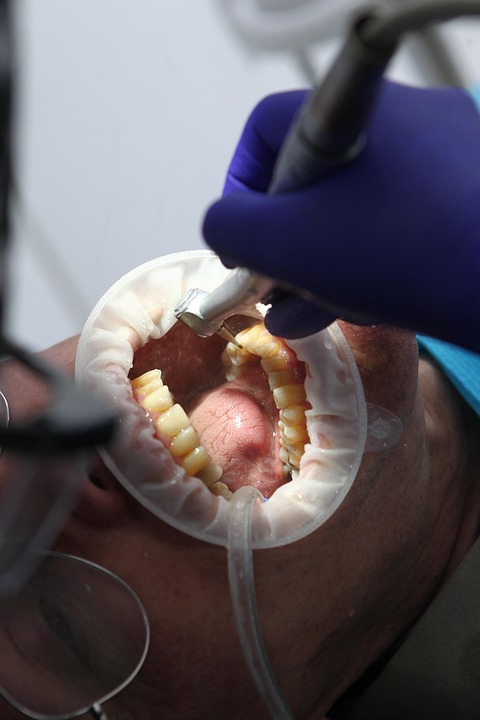
A dental filling is a restorative treatment used to repair a tooth damaged by decay (a cavity), a crack, or normal wear. The dentist removes the decayed or damaged portion of the tooth and fills the resulting space with a durable material — effectively restoring the tooth’s shape, function, and strength.
Fillings are one of the most commonly performed dental procedures worldwide, and modern dentistry has made them faster, more comfortable, and longer-lasting than ever before.
Does Getting a Filling Actually Hurt?
Short answer: Not really — thanks to local anesthesia.
Before your dentist begins any drilling or removal, they will numb the area around the affected tooth using a local anesthetic (most commonly lidocaine). This injection is what people often worry about, but most dentists apply a topical numbing gel on your gum before the injection to minimize that pinch.
Once the anesthesia takes effect — usually within a few minutes — you will not feel pain during the procedure. You may feel:
- Pressure as the dentist works on the tooth
- Vibrations from the dental drill
- A tugging or pulling sensation in some cases
None of these should feel like sharp, shooting pain. If at any point you feel actual pain during the procedure, raise your hand — a good dentist will pause and apply more anesthetic.
The biggest source of discomfort? Often, it’s the anticipation, not the procedure itself.
7 Steps: What Happens During a Filling Procedure?
Here’s exactly what you can expect, from the moment you sit in the chair to when you walk out:
Step 1: Examination and X-Ray Review
Your dentist will first examine the affected tooth and review any X-rays to confirm the extent of the decay and determine the best type of filling for your situation.
Step 2: Topical Numbing Gel
A small amount of numbing gel is applied directly to your gum tissue at the injection site. This works within 60–90 seconds and significantly reduces the sensation of the needle.
Step 3: Local Anesthetic Injection
The dentist administers the local anesthetic. You may feel a tiny pinch or pressure here. Within 2–5 minutes, the area will be completely numb.
Step 4: Decay Removal
Using a dental drill, laser, or air abrasion tool, the dentist removes the decayed portion of the tooth. You’ll hear the drill and feel vibrations, but no pain.
Step 5: Cleaning and Preparation
The area is thoroughly cleaned to remove bacteria or debris. If the cavity is near the root, a liner may be placed to protect the nerve.
Step 6: Filling Placement
The chosen filling material is applied in layers, shaped to match your natural tooth bite, and hardened (composite fillings use a UV curing light).
Step 7: Polishing and Bite Check
The dentist polishes the filled area and asks you to bite down on special paper to check your bite alignment. Minor adjustments are made as needed.
Total time: Typically 30 to 60 minutes depending on the size and location of the cavity.
Types of Dental Fillings and How They Feel
Different filling materials offer different experiences. Here’s a quick breakdown:
| Filling Type | Material | Appearance | Typical Sensation |
| Composite (tooth-colored) | Resin | Matches tooth color | Slight sensitivity after; very natural |
| Amalgam (silver) | Mercury alloy | Silver/gray | Slightly more post-procedure sensitivity |
| Ceramic/Porcelain | Porcelain | Tooth-colored | Minimal sensitivity; durable |
| Gold | Gold alloy | Gold | Very durable; low sensitivity |
| Glass Ionomer | Glass/acrylic | Translucent | Gentle; often used for children |
Composite fillings are currently the most popular choice for their natural appearance, and they bond directly to the tooth structure — meaning less drilling in many cases.
Pain After a Filling: What’s Normal and What’s Not
Once the anesthesia wears off (usually 1–3 hours after the procedure), you may experience some post-filling sensations. Here’s how to tell what’s expected vs. what needs attention:
Normal After-Effects (Should Resolve in a Few Days)
- Tooth sensitivity to hot, cold, or sweet foods/drinks
- Mild soreness around the gum or injection site
- Slight discomfort when biting — especially if the bite alignment is off
- Tenderness in the jaw from keeping your mouth open
Signs to Call Your Dentist
- Severe, throbbing pain that doesn’t improve after 3–5 days
- Sharp pain every time you bite down
- Signs of infection — swelling, fever, or pus
- The filling feels very “high” (like your bite is off)
These situations are uncommon but are easily addressed when caught early, so don’t hesitate to follow up.
Tips to Make Your Filling Appointment Easier
If dental anxiety is a real concern for you, here are some practical strategies:
1. Communicate openly with your dentist – Tell them you’re nervous. Good dental teams adjust their pace and communication style accordingly.
2. Ask questions beforehand – Understanding each step removes the fear of the unknown. Ask your dentist to walk you through the process.
3. Use distraction techniques – Bring earbuds and listen to a podcast or music. Many dental offices now have ceiling TVs.
4. Request a signal – Agree on a hand signal (like raising your left hand) that tells your dentist to pause. This sense of control reduces anxiety significantly.
5. Practice deep breathing – Slow, diaphragmatic breathing activates your parasympathetic nervous system — effectively calming your body’s stress response.
6. Consider sedation dentistry – For significant anxiety, ask about nitrous oxide (laughing gas) or oral sedation. These are widely available and safe options.
7. Avoid caffeine before your appointment – Caffeine can heighten anxiety and physical sensitivity. Stick to water the morning of your visit.
When Should You Get a Filling? (Signs You Shouldn’t Ignore)
Sometimes people delay fillings hoping the problem will resolve on its own. It won’t — and waiting usually makes it worse (and more expensive). Watch for these signs:
- Toothache or spontaneous pain in a specific tooth
- Sensitivity to hot or cold that lingers after the stimulus is removed
- Visible dark spots, holes, or pits on your tooth surface
- Rough or sharp edges you can feel with your tongue
- Pain when chewing or biting
- A filling that’s cracked, broken, or fallen out
The sooner a cavity is treated, the smaller the filling needed — and the less the procedure will affect you. Delaying can lead to root canals, crowns, or extractions, which are far more involved treatments.
Frequently Asked Questions (FAQs)
Q1: Does getting a filling hurt without anesthesia?
Without anesthesia, removing decay from a tooth would be quite painful since the drilling reaches sensitive layers of the tooth (dentin and potentially the pulp). That’s why dentists always use local anesthesia before starting. In very small, shallow cavities, some dentists may offer to skip the injection and use air abrasion or minimal drilling — but this is only done with the patient’s full agreement after discussing sensitivity levels.
Q2: How long does numbness last after a dental filling?
The local anesthetic typically wears off within 1 to 3 hours after the procedure, though this varies based on the amount used and individual metabolism. During this time, avoid hot foods and drinks (you can’t feel temperature properly), and be careful not to accidentally bite your cheek or tongue.
Q3: Is it normal for a tooth to be sensitive after a filling?
Yes — mild tooth sensitivity after a filling is very common, especially with composite (tooth-colored) fillings. It usually resolves within 1 to 4 weeks. If sensitivity is sharp or worsening beyond that window, contact your dentist as the filling may need a bite adjustment or further evaluation.
Q4: Can I eat after getting a dental filling?
For composite (resin) fillings, you can technically eat immediately since they harden instantly under the UV light. However, it’s wise to wait until the numbness fully wears off to avoid accidentally biting your cheek. For amalgam (silver) fillings, it’s recommended to wait at least 24 hours before chewing on that side, as amalgam takes longer to fully harden.
Q5: How long does a dental filling last?
Filling lifespan varies by material:
- Composite: 5–10 years
- Amalgam: 10–15 years
- Ceramic/Porcelain: 15+ years
- Gold: 15–30 years
Conclusion: There’s Nothing to Fear — Just a Cavity to Fix
Getting a dental filling is genuinely one of the most routine procedures in modern dentistry. With today’s anesthesia techniques, precise tools, and experienced dental professionals, the vast majority of patients describe the experience as no worse than mildly uncomfortable — and many find it completely painless.
The real pain? That’s often in the waiting — the anxiety of an untreated cavity growing into something more serious. If you’ve been putting off a dental visit, now is the time to take that step. The procedure is quick, effective, and far less scary than the internet (or your imagination) makes it out to be.