

Benefits of Cosmetic Dentistry for Adults– There’s a particular kind of self-consciousness that comes with being unhappy about your teeth. It’s subtle but pervasive — the instinct to cover your mouth when you laugh, the forced closed-lip smile in photographs, the slight hesitation before speaking in a room full of people. For many adults, it’s been there so long it barely registers as a problem anymore. It’s simply become part of how they move through the world.
What’s remarkable is how quickly that changes after cosmetic dental treatment. Patient after patient describes the same experience: a shift that goes far beyond their teeth. More eye contact. More spontaneous laughter. More willingness to speak up in a meeting or introduce themselves to a stranger. The smile improves — and something deeper follows.
This is the real story of cosmetic dentistry for adults. Yes, it improves how your teeth look. But the benefits ripple outward into confidence, health, function, and quality of life in ways that are difficult to fully appreciate until you’ve experienced them.
This guide explores all of it — what cosmetic dentistry actually is, what the most popular treatments involve, and the full range of benefits that make it one of the most personally impactful investments an adult can make.
What Is Cosmetic Dentistry — and How Is It Different from General Dentistry?
The distinction between general and cosmetic dentistry is worth understanding, because it shapes what to expect from each type of visit.
General dentistry is focused on the health and function of your mouth. It encompasses the full spectrum of preventive care (checkups, cleanings, X-rays), restorative treatments (fillings, root canals, extractions), and the management of dental disease. The goal is to keep your teeth and gums healthy, functional, and free from pain and infection.
General dentistry is largely need-driven — you go because something is wrong, or to prevent something from going wrong.
Cosmetic dentistry focuses on the aesthetic dimension of your smile — the appearance of your teeth, gums, and overall smile as a visual feature of your face. It encompasses procedures designed to improve colour, shape, size, alignment, and symmetry. Cosmetic treatment is largely elective — you go because you want something to look better, not because something is clinically wrong.
In practice, the boundary between the two is blurrier than it sounds. Many cosmetic procedures deliver genuine health benefits alongside aesthetic improvement. Straightening misaligned teeth with clear aligners makes them easier to clean and reduces abnormal wear.
Replacing missing teeth with implants prevents bone loss. Covering worn enamel with veneers or bonding protects the tooth structure beneath from further damage. Cosmetic dentistry and general dentistry are not opposites — they overlap and complement each other more often than not.
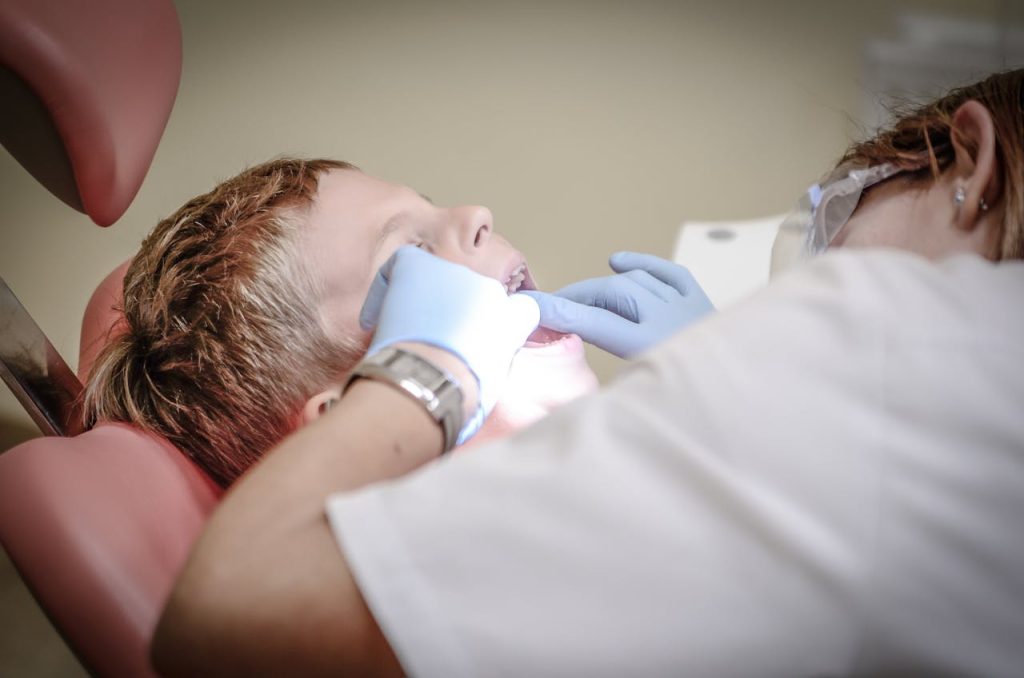
The most common cosmetic dental procedures available to adults include:
- Teeth whitening — professional bleaching to remove staining and discolouration
- Dental veneers — porcelain or composite shells bonded to the tooth front surface
- Composite bonding — resin-based sculpting to repair chips, gaps, and imperfections
- Invisalign and clear aligners — removable orthodontic treatment for straighter teeth
- Dental implants — permanent tooth replacement anchored to the jawbone
- Gum contouring — reshaping the gum line for better smile symmetry
- Smile makeovers — comprehensive treatment plans combining multiple procedures
1. A Visibly Transformed Smile Appearance
The most immediate and obvious benefit of cosmetic dentistry is the one that brings most people through the door: a dramatically improved smile.
It’s easy to underestimate how significantly our teeth affect our overall appearance. The colour, alignment, proportion, and condition of your teeth interact with your facial features, skin tone, and even your age in complex ways. Yellowed or heavily stained teeth can make you look older and less vital. Chipped or worn teeth create an asymmetry that draws the eye. Gaps or crowding disrupt the visual balance of your smile.
Cosmetic dentistry addresses all of these concerns with precision and artistry. Teeth whitening can lift heavily discoloured teeth by several shades in a single appointment. Porcelain veneers can simultaneously correct colour, shape, size, and minor alignment, creating a harmonious, balanced smile that looks completely natural.
Composite bonding can repair chips and close gaps in a single session. The transformation in photographs alone is often striking — but what patients consistently report matters more is how they look in person, in natural light, to the people around them every day.
Modern cosmetic dentistry also emphasises what practitioners call “smile design” — a holistic, artistic approach that considers your individual facial proportions, the shape of your lips, your gum line, and even your skin tone before planning treatment. The goal is not a generic “Hollywood smile” that looks the same on everyone, but a result that looks authentically, naturally, and beautifully yours.
2. A Profound Boost in Self-Confidence
The psychological impact of cosmetic dentistry is well-documented — and consistently underreported in articles like this, which tend to focus on the clinical and functional aspects. Research published in dental and psychological literature repeatedly demonstrates that patients who receive cosmetic dental treatment report significant improvements in self-esteem, social confidence, and overall quality of life.
This makes intuitive sense. Your smile is one of the primary ways you communicate with other people. It’s involved in almost every meaningful social interaction — meeting someone new, expressing joy, building rapport in a conversation, making an impression in a professional context.
When you feel self-conscious about your teeth, these interactions are quietly shadowed by discomfort. The mental energy spent managing that self-consciousness — the calculated smiles, the covering hand, the reluctance to speak up — is real, even when it’s become so habitual you’ve stopped noticing it.
When that self-consciousness is removed by treatment, the change can feel disproportionately large relative to what was actually done. Patients who had a few chips repaired with composite bonding describe feeling like a different person in social situations. Adults who’ve worn a slight misalignment their whole lives describe a new ease and openness after clear aligner treatment. The treatment was relatively minor; the psychological release was anything but.
This is particularly relevant for working adults. Research consistently shows that a confident smile affects professional perceptions — including how credible, capable, and approachable a person is perceived to be by colleagues, clients, and interviewers.
Investing in your smile is, in a very real sense, an investment in your professional presence.
3. Improved Oral Function, Not Just Aesthetics
A less-discussed but genuinely significant benefit of many cosmetic dental treatments is the improvement in how your teeth actually work — not just how they look.
Orthodontic treatment — whether through traditional braces or modern clear aligners — provides a clear example. Misaligned teeth aren’t just an aesthetic issue. Crowded or overlapping teeth are harder to clean effectively, creating persistent areas where plaque accumulates and gum disease and decay are more likely to develop.
Poor bite alignment (malocclusion) can cause uneven wear on tooth surfaces, contribute to jaw joint (TMJ) problems, and create headaches and facial pain over time. Straightening teeth corrects the aesthetic concern, but the functional and health benefits are often more impactful in the long run.
Composite bonding and veneers can restore function as well as appearance when applied to chipped, cracked, or worn teeth. A tooth that has lost significant structure through chipping or wear may bite differently, create sensitivity, or be at risk of further fracture. Covering and restoring that surface with bonding or a veneer restores normal occlusal function and protects the tooth from further damage.
Dental implants, while more restorative than cosmetic in nature, have profound functional implications. A missing tooth shifts the bite forces across surrounding teeth unevenly, causes neighbouring teeth to gradually drift into the space, and leads to the bone loss that can eventually alter facial structure.
Replacing that tooth with an implant restores normal function, preserves the adjacent teeth, and maintains the jawbone — benefits that are primarily functional, with important aesthetic consequences.
4. Long-Lasting Results That Justify the Investment
One of the most common hesitations adults have about cosmetic dentistry is the question of longevity. Will the results last? Is it worth the money? These are reasonable questions — and the honest answer is that modern cosmetic dental treatments are designed for durability in ways that make them genuinely worthwhile long-term investments.
Porcelain veneers are among the most durable cosmetic restorations in dentistry. Fabricated from high-quality dental ceramic and bonded using advanced adhesive technology, well-made veneers can last 15–20 years or more with proper care. Some patients get even longer from their veneers. They maintain their colour (porcelain is highly stain-resistant), their shape, and their appearance remarkably well over time.
Dental implants are arguably the most durable dental restoration of all. The titanium post, once fully integrated with the jawbone, can last a lifetime — patients who received implants in the 1980s and 1990s still have them functioning today. The crown on top may eventually need replacement, but the implant itself is a permanent solution.
Composite bonding has a shorter lifespan — typically five to seven years before refreshing is needed — but the ease and low cost of maintenance makes this manageable for most patients. Many patients have their composite bonding touched up or refreshed as part of their regular dental care without finding it burdensome.
Professional teeth whitening results typically last one to three years, depending on diet and oral hygiene habits, and can be extended with occasional top-up treatments at home. While this is the shortest-lived of the common cosmetic treatments, the low cost and ease of maintenance make it an exceptionally accessible ongoing investment.
The key to maximising the lifespan of any cosmetic treatment is consistent, good-quality home oral hygiene, regular professional dental check-ups, and following your dentist’s specific aftercare advice. Patients who invest in their smile and maintain it properly consistently get exceptional value from their treatment over the years.
5. Minimally Invasive Treatments That Fit Around Your Life
One of the most significant developments in modern cosmetic dentistry is the move toward minimally invasive techniques — procedures that achieve meaningful aesthetic results while preserving as much natural tooth structure as possible, causing minimal discomfort, and requiring little to no recovery time.
Composite bonding, for instance, typically requires no anaesthetic, no drilling, and no downtime. The process is entirely additive — your dentist works with the resin on top of your existing tooth surface, building up the desired result without removing anything. You can return to work or normal activities immediately after the appointment.
Clear aligner orthodontics (Invisalign and similar systems) have made teeth straightening far more practical for adults than traditional fixed braces. The aligners are removable for eating and oral hygiene, nearly invisible when worn, and cause significantly less discomfort than conventional metal brackets and wires. Treatment can often be completed in six to eighteen months for most cases.
Laser gum contouring has replaced the surgical approaches formerly needed to reshape the gum line. Using a soft tissue laser, dentists can precisely remove excess gum tissue, reveal more of the tooth surface, and create a more symmetrical gum line — in a single comfortable appointment, with minimal healing time.
Even professional teeth whitening, which uses stronger bleaching agents than any over-the-counter product, is a comfortable in-chair experience for most patients. The full session takes about 90 minutes, and aside from some temporary sensitivity for a day or two, there is no meaningful recovery period.
For busy adults who have historically put off cosmetic treatment because they assumed it would be painful, time-consuming, or disruptive, the reality of modern minimally invasive options is often a welcome surprise.
6. Measurable Oral Health Improvements
The relationship between cosmetic dentistry and oral health is more intertwined than many people realise. What improves the appearance of your teeth often improves their health simultaneously — and vice versa.
Straighter teeth are demonstrably easier to clean. When teeth are crowded or overlapping, toothbrush bristles and floss cannot reach all surfaces effectively. Bacteria accumulate in these inaccessible areas, increasing the risk of decay and gum disease. Orthodontic treatment that aligns the teeth properly improves oral hygiene access across every tooth surface — a health benefit that persists for the rest of your life.
Replacing missing teeth with implants or bridges prevents the cascade of oral health problems that follows tooth loss: shifting teeth, uneven bite forces, bone resorption, and the increased vulnerability of adjacent teeth to decay and wear. Early replacement preserves the oral environment far better than waiting.
Veneers and bonding that cover chipped or worn enamel protect the underlying dentine from exposure. Exposed dentine is sensitive, more susceptible to decay, and at risk of further wear. Covering it with a well-fitted restoration seals the tooth, reduces sensitivity, and stops the deterioration.
7. A More Youthful Facial Appearance
This is a benefit that surprises many adults — the extent to which cosmetic dental treatment affects perceived age. Teeth are not a static feature of your appearance: they change significantly over decades in ways that contribute to an aged look.
Natural enamel gradually thins with age, revealing more of the yellowish dentine beneath — which is why teeth that were once bright naturally darken over time. The biting edges of teeth wear down with decades of use, making them shorter and reducing the visual “height” of the smile. Both of these changes contribute to a subtly aged, less vital appearance that is difficult to pinpoint but immediately noticeable when corrected.
Teeth whitening addresses the discolouration — restoring brightness that can make a face look years younger. Veneers or composite bonding applied to the biting edges can restore the original length and shape of worn teeth, literally reversing the visual signs of dental aging.
Gum contouring can correct a gum line that has receded or become uneven over time, restoring the proportions of the smile. Together or individually, these treatments contribute to a more youthful, energetic facial aesthetic that no other intervention can replicate — including anti-ageing skincare or injectable treatments, which cannot address the teeth themselves.
8. Fully Personalised to Your Unique Face and Goals
Perhaps the most underappreciated advantage of modern cosmetic dentistry is how deeply personalised it has become. The era of one-size-fits-all cosmetic treatment — the uniformly white, uniformly shaped “Hollywood smile” applied identically to every patient — has been replaced by a far more sophisticated, individualised approach.
Today’s leading cosmetic dentists approach smile design the way an artist approaches portraiture. Before any treatment begins, they assess your facial proportions — the width of your face relative to your smile, the relationship between your upper lip and your tooth edges, the visibility of teeth at rest versus when smiling, the symmetry of your gum line.
They consider your skin tone and eye colour when selecting tooth shades, since different shades read differently against different complexions. They look at the natural characterisation of your existing teeth — slight imperfections and asymmetries that give a smile its authentic, human quality — and incorporate that character into the planned result rather than erasing it.
Digital smile design tools now allow dentists to show patients a detailed preview of planned results before any treatment begins, with the ability to refine and adjust until the patient is completely happy.
This level of planning produces outcomes that look genuinely natural and right for each individual face — not a cosmetic overlay that looks “done,” but a smile that looks like the best version of the smile you were always meant to have.
Who Should Consider Cosmetic Dentistry?
Cosmetic dentistry is appropriate for any healthy adult who is unhappy with some aspect of their smile’s appearance. There is no single profile of the “right” cosmetic dentistry patient — the range of people who benefit is enormously broad.
Practically speaking, it’s worth considering cosmetic treatment if you:
- Have persistent staining or discolouration that professional whitening alone hasn’t fully resolved
- Have chipped, cracked, or worn teeth that affect the appearance or feel of your smile
- Feel self-conscious about gaps, crowding, or misalignment
- Find yourself avoiding smiling or covering your mouth in social situations
- Are approaching a major life event — a wedding, a promotion, a new relationship — and want to feel your most confident
- Have old dental work (dark metal fillings, ill-fitting crowns) that has become visually obvious and that you’d like to modernise
- Simply feel that your teeth don’t reflect how healthy, vital, and confident you feel in other areas of your life
The prerequisite for any cosmetic treatment is good underlying oral health. Gum disease, active decay, and other dental problems must be addressed before cosmetic work begins. A good cosmetic dentist will always assess your oral health thoroughly before planning any aesthetic treatment.
Frequently Asked Questions
Q 1. Is cosmetic dentistry safe?
Yes — all reputable cosmetic dental procedures are clinically safe when performed by a qualified, registered dental professional using approved materials. As with any medical or dental treatment, risks are present and should be discussed at your consultation, but serious complications from standard cosmetic dental procedures are rare.
Q 2. At what age is cosmetic dentistry appropriate?
Most cosmetic treatments are appropriate for adults whose teeth have fully developed — generally from the late teens or early twenties onward. There is no upper age limit; cosmetic dentistry is performed successfully on patients well into their seventies and eighties. The most important factor is oral health, not age.
Q 3. How do I know which treatment is right for me?
A thorough consultation with a qualified cosmetic dentist is the only reliable way to answer this question. Your dentist will assess your teeth, discuss your goals, and recommend the treatment (or combination of treatments) that will achieve the best result for your specific situation. Avoid making decisions based on price alone, what a friend had done, or what you’ve seen on social media — every mouth is different.
Q 4. Will my results look natural?
In the hands of a skilled cosmetic dentist using quality materials, yes — absolutely. The hallmark of good cosmetic dentistry is that it looks like the best version of you, not like an obvious cosmetic procedure. Ask to see before-and-after photos of your dentist’s work before committing to treatment.
Q 5. Is cosmetic dentistry covered by the NHS?
The vast majority of cosmetic dental procedures are not covered by the NHS, as they are elective treatments rather than clinical necessities. Patients pay privately for cosmetic work. Many clinics offer flexible payment plans and financing options to make treatment more accessible.
Conclusion: Your Smile Is Worth Investing In
The benefits of cosmetic dentistry for adults extend far beyond what you see in the mirror. A beautifully improved smile can reshape how you feel about yourself, how others respond to you, how comfortably and effectively your teeth function, and even how old you look. These are not small gains — they are meaningful, lasting changes to quality of life that patients describe as some of the best investments they’ve ever made in themselves.
Modern cosmetic dentistry is safer, more accessible, more minimally invasive, and more personalised than ever before. Whatever your starting point — whether you’re considering simple whitening or a comprehensive full-smile transformation — there is a treatment approach that can help you achieve a smile you’re genuinely proud of.
The best first step is a consultation with a trusted cosmetic dentist who takes time to understand your goals, explains your options honestly, and designs a plan that’s right for you. Your smile is one of the most personal and visible things about you. Investing in it is never superficial — it’s one of the most meaningful things you can do for your confidence, your health, and your wellbeing.