

There’s a quiet myth floating around that cosmetic dentistry is only for the young, the camera-ready, the wedding party. It isn’t true, and honestly, it never was.
We see this often at our Twickenham practice: patients in their sixties, seventies, and beyond, arriving from Teddington, Richmond, St Margarets, or just down by The Green, wanting the same thing anyone else wants. To smile in photographs without thinking twice. To bite into an apple without worry. To feel like themselves again.
Cosmetic dentistry for seniors typically focuses on restoring worn, discoloured, or damaged teeth using gentle, minimally invasive treatments such as composite bonding, porcelain crowns, or professional whitening, tailored around bone density, gum health, and existing dental work, with treatment plans always assessed individually by GDC-registered clinicians.
Ageing changes teeth in ways that are entirely natural: enamel thins, years of tea and coffee leave their mark, old fillings darken at the edges, and gum recession can make teeth appear longer than they once did. None of this is something to simply live with.
Below, we’ll walk through exactly what cosmetic dentistry looks like for senior patients, how it differs from treatments designed for younger smiles, and how to approach it safely, comfortably, and without unnecessary pressure.
What Does Cosmetic Dentistry for Seniors Actually Involve?
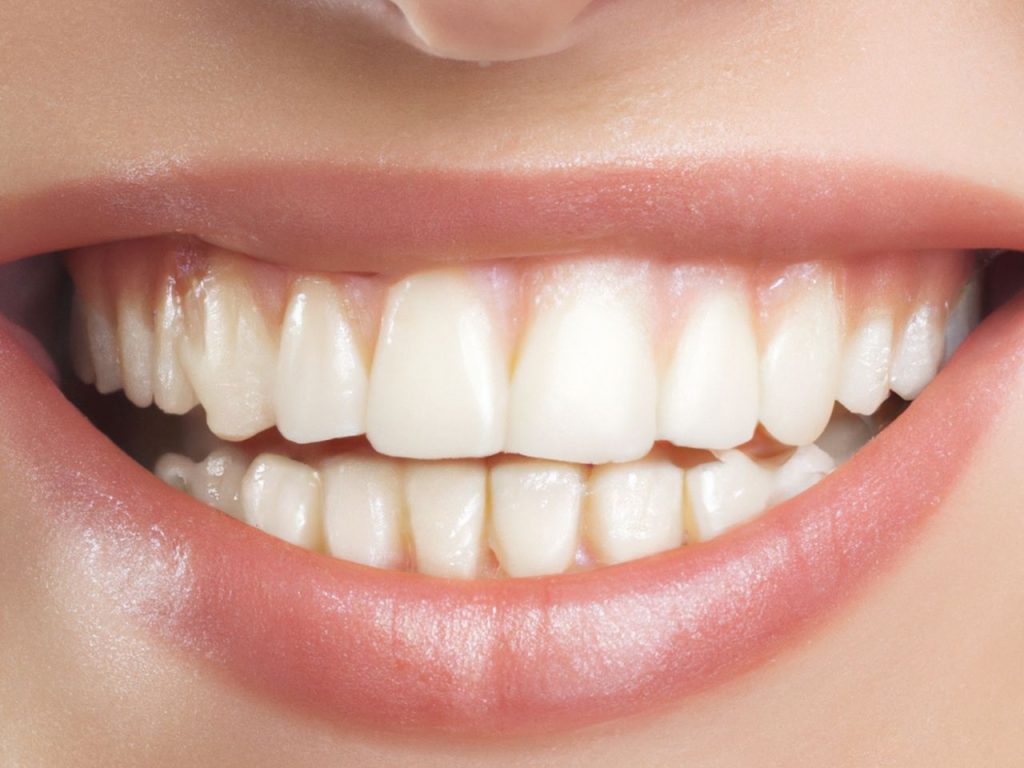
Cosmetic dentistry for older patients isn’t a scaled-down version of what a twenty-five-year-old might have. It’s a genuinely custom-made treatment plan, built around the specific realities of ageing teeth and gums, not a generic package.
The starting point is always a thorough consultation, examining not just tooth colour and shape but bone density, gum recession, existing crowns or bridges, and any history of tooth grinding or wear. This matters more with age, since previous dental work and natural wear patterns significantly influence which treatments are safe and appropriate.
Modern technology makes this assessment far gentler than it once was. We use intraoral digital scans rather than the old, uncomfortable putty impressions, which is particularly welcome for patients with a sensitive gag reflex or reduced jaw mobility. These scans also let us show you a realistic digital preview of your results before committing to anything.
From there, treatment for senior patients typically follows one of a few paths:
- Professional whitening to lift decades of staining from tea, coffee, and red wine, using carefully controlled concentrations suited to potentially thinner, more sensitive enamel.
- Composite bonding to rebuild worn edges, chipped corners, or gaps that have widened slightly with age, completed with minimal alteration to the natural tooth.
- Porcelain veneers or crowns for teeth with more significant wear, older discoloured fillings, or structural damage requiring a stronger, longer-lasting solution.
- Gum-focused treatments, where recession has made teeth appear uneven, addressing both the aesthetic and the underlying comfort issue together.
Because many senior patients also have existing dental work, from old amalgam fillings to previous crowns, the treatment workflow always starts by reviewing your dental history in detail, rather than assuming a fresh, untreated smile.
Composite Bonding, Porcelain Veneers, or Crowns: Which Suits an Older Smile?
For senior patients specifically, this decision often comes down to how much natural tooth structure remains and how much wear or damage has already occurred, rather than simply personal preference.
Composite bonding suits patients with relatively minor concerns, small chips, slight discoloration at the edges, or narrow gaps that have opened with age. It’s the most conservative option, involving minimal to no removal of remaining tooth structure.
Porcelain veneers work well for patients wanting a more complete cosmetic dentistry transformation across several front teeth, particularly where old, greying fillings or uneven edges are visible in every photograph, and where enough healthy enamel remains to support them.
Porcelain crowns become the more appropriate choice where a tooth has significant wear, a large old filling, or reduced structural strength, offering full coverage protection alongside a natural, tooth-colored appearance.
Here’s how the three compare for older patients specifically:
| Criteria | Composite Bonding | Porcelain Veneers | Porcelain Crowns |
| Upfront Cost | Lower cost per tooth; budget-friendly | Higher cost, reflecting custom lab work | Highest cost, due to full-coverage lab fabrication |
| Lifespan/Durability | Typically, 4 to 8 years before touch-ups needed | Typically, 10 to 15 years with proper care | Often greater than 15 years with good care |
| Treatment Speed | Often completed in a single visit | Usually requires two to three visits | Usually requires two visits, with a temporary in between |
| Level of Tooth Preparation Needed | Minimal to none; largely reversible | Small amount of enamel removed; permanent | More substantial reshaping; suited to already-weakened teeth |
| Best Suited For | Minor chips, gaps, or discoloration | Cosmetic dentistry transformation with healthy enamel remaining | Teeth with significant wear or large existing fillings |
A blended approach is genuinely common for our senior patients: crowns on heavily worn back or corner teeth, paired with composite bonding or whitening on the front teeth that show most in conversation and photographs. This tends to deliver the most natural, cohesive result without over-treating teeth that don’t need it.
How Long Will Results Last, and What Affects Wear in Later Life?
Ageing teeth face a slightly different set of challenges than younger ones, so it’s worth understanding how longevity plays out specifically for senior patients.
Porcelain crowns are the most durable of the group, frequently lasting greater than 15 years, largely because they offer full-coverage protection to teeth that have already experienced significant wear.
Porcelain veneers typically last 10 to 15 years and remain highly stain-resistant, though gum recession over time can occasionally expose a small margin at the gumline, which we monitor at routine check-ups.
Composite bonding generally lasts 4 to 8 years and, being more porous than porcelain, can show staining sooner from coffee, tea, and red wine, particularly if these are daily habits.
Several factors specific to later life affect how quickly wear or staining occurs:
- Decades of tea, coffee, and red wine consumption leave deeper, more established staining than in younger patients, which is worth discussing honestly at your consultation.
- Natural gum recession can expose more of the tooth root over time, which isn’t always cosmetically covered by veneers or bonding alone.
- Reduced saliva flow, common with age and certain medications, can leave teeth more vulnerable to staining and decay if not actively managed.
- Years of tooth grinding or clenching may have already worn down biting edges before cosmetic treatment even begins.
Practical, everyday habits make a genuine difference to protecting your results:
- Use a straw for tea, coffee, and red wine wherever practical, to reduce direct contact with visible front teeth.
- Stay on top of six-monthly scale and polish appointments, which lift surface staining before it becomes embedded.
- Mention any dry mouth or medication changes to your dentist, since this affects both decay risk and long-term staining.
- Wear a night guard if grinding is a known issue, protecting both natural teeth and any cosmetic work.
- Keep using a soft-bristled electric toothbrush, which is gentler on both natural enamel and composite bonding than manual brushing.
Addressing Concerns Around Pain, Cost, and Dental Anxiety
It’s genuinely common for senior patients to have avoided the dentist for years, sometimes decades, often due to past experiences, mobility concerns, or simply the cost of private dental treatment. Let’s address that honestly.
On pain and comfort: composite bonding typically involves no drilling into healthy tooth structure, and both veneers and crowns use local anaesthetic during any necessary preparation, meaning most patients describe pressure rather than genuine pain. Whitening concentrations are carefully adjusted for patients with more sensitive, thinner enamel.
On dental anxiety: our GDC-registered clinicians are trained in gentle dental techniques specifically suited to nervous or out-of-practice patients, including slower pacing, plain-English explanations at every stage, and complete control over stopping at any point. Sedation options are available for patients with more significant anxiety or limited tolerance for longer appointments.
On accessibility and mobility: we’re mindful that longer, multi-stage treatments can be tiring, so treatment plans for senior patients are often sequenced with shorter individual visits rather than one lengthy appointment.
On cost transparency: every treatment plan begins with a clear, written pricing guide, broken down stage by stage, so there’s no ambiguity about what each element costs before you commit to anything.
On financial accessibility: we offer 0% financing over 12 months, allowing the cost of treatment to be spread into manageable monthly instalments with no interest added, making a meaningful smile restoration genuinely achievable on a fixed or pension income.
If it’s been years since your last dental visit, please tell us that upfront rather than feeling embarrassed about it. It simply helps us plan your first appointment more gently.
Why Senior Patients Across Twickenham Choose Dr Sunny Cosmetic Dentist?
Patients travel to us from Teddington, Richmond, St Margarets, and right along York Street, often specifically because we take the time that rushed, high-turnover practices don’t. A modern, comfortable clinic. Genuinely custom-tailored treatment plans that account for your full dental history. And a team that never assumes older patients want, or need, less thorough care.
Every treatment plan here starts with a digital smile preview, a clear stage-by-stage schedule paced to suit you, and pricing you understand fully before committing to a single appointment.
Ready to restore your smile with genuine comfort and care? Book a consultation, or start from home with a video assessment alongside one of our GDC-registered clinicians. It’s never too late for a smile that feels like yours again.