

When you look in the mirror or smile for a photo, you might notice aspects of your teeth that you wish could be different. Navigating the world of dental care can feel confusing when you are trying to understand who to book an appointment with for specific oral needs. Understanding the structural differences between traditional oral healthcare and elective visual enhancements is the first step toward achieving your ideal smile.
The dental profession features distinct pathways designed to manage completely separate aspects of your mouth. While one side focuses entirely on the biological health and structural strength of your teeth, the other addresses the shape, alignment, and brightness of your smile. Choosing the correct treatment path depends entirely on whether your current goals are rooted in medical necessity or personal confidence.
We want to help you make an informed decision for your mouth by breaking down exactly how these two branches of dental medicine operate. By understanding the core clinical differences, everyday applications, and expected longevity of these treatments, you can map out a treatment journey that aligns with your lifestyle. Let us explore how modern dental advancements can transform both your oral health and your self-esteem.
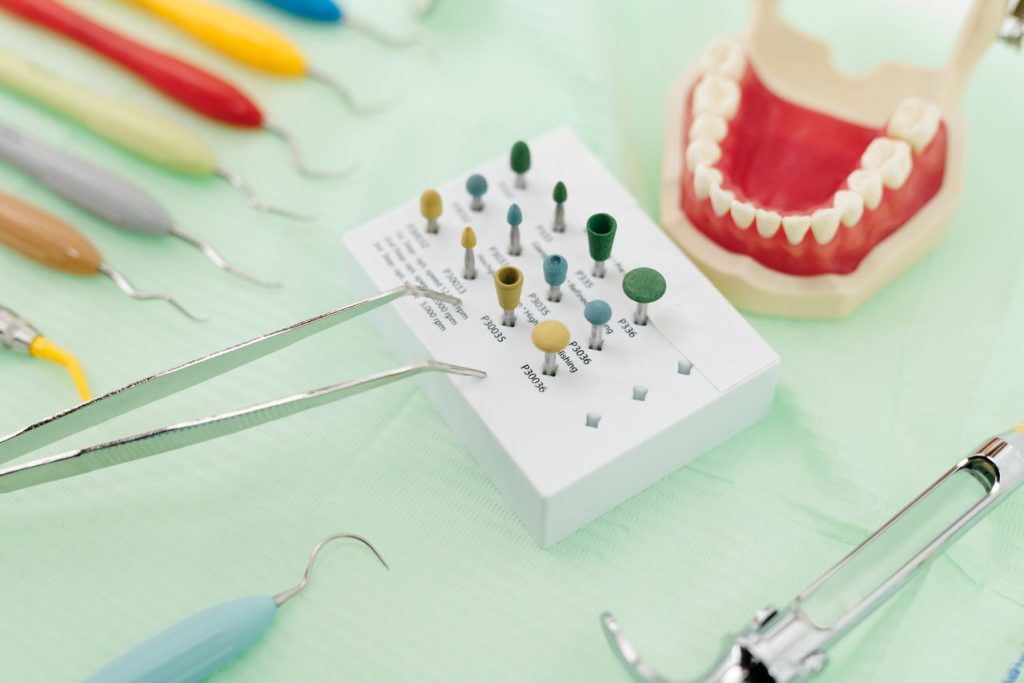
Cosmetic dentistry refers to elective dental treatments designed primarily to improve the visual appearance of your smile, whereas general dentistry focuses on essential medical therapies required to prevent, diagnose, and treat active oral disease. While general care protects your fundamental bite, cosmetic enhancements focus entirely on upgrading your visual smile aesthetics.
What Does Cosmetic Dentistry vs General Dentistry Actually Involve?
Dental Treatment Options at a Glance
- Routine dental check-ups evaluate active gum health and screen for early signs of oral cancer.
- Professional teeth cleaning removes hardened plaque buildup to prevent chronic periodontal disease.
- Composite bonding repairs minor chips and closes small gaps using tooth-coloured resin.
- Porcelain veneers mask deep discolouration and correct minor misalignments with custom ceramic shells.
- White dental fillings restore structural cavities caused by active decay while matching natural tooth shades.
Comparing Your Options: Which Suits You Best?
Navigating your care means comparing different clinical techniques based on how deeply they alter your natural tooth structure. Treatments range from non-invasive preventative care to advanced structural transformations.
1. General Dentistry Foundations
General dentistry forms the medical baseline of all oral healthcare. Treatments in this category are non-elective and focus on keeping your natural teeth functional and free from pain. This includes routine digital X-rays, traditional structural fillings, root canal therapies, and treatment for gum disease.
According to guidelines set by the General Dental Council (GDC), any registered dentist can perform these essential health procedures to maintain public patient safety.
2. Composite Bonding
This minimally invasive cosmetic procedure involves applying a soft, tooth-coloured composite resin directly to the surface of your teeth. We use composite bonding to repair minor chips, mask small structural imperfections, and close unwanted spaces between teeth without removing any of your natural enamel.
The resin is sculpted by hand and hardened using a specialized curing light, making it a fast and cost-effective way to enhance your smile in a single visit.
3. Porcelain Veneers
For a more comprehensive aesthetic transformation, porcelain veneers offer a durable and premium solution. Porcelain veneers are ultra-thin, custom-made shells of dental ceramic that are permanently bonded to the front surfaces of your teeth. This procedure requires a highly precise design process and minimal enamel preparation to ensure the ceramic shells sit flush with your natural gum line, completely altering tooth shape, size, and brightness.
Comparison Table: General Care vs Bonding vs Veneers
| Feature | General Dentistry | Composite Bonding | Porcelain Veneers |
| Primary Goal | Disease prevention and health | Minor visual corrections | Complete smile redesign |
| Invasiveness | Varies (Conservative to surgical) | Non-invasive (No enamel removal) | Minimally invasive (Minor etching) |
| Average UK Cost | £75 – £950+ (Treatment dependent) | £200 – £400 per tooth | £650 – £1,300 per tooth |
| Average Lifespan | Lifelong maintenance required | 3 to 7 years before refresh | 10 to 15+ years with proper care |
| Reversibility | Essential medical treatments | 100% reversible | Permanent (Requires replacement) |
How Long Do Results Last, and What Affects Longevity?
Factors That Affect Wear and Tear
The physical lifespan of your dental work depends heavily on the structural materials used and the forces applied to them daily. Composite resin is a porous material that naturally degrades and stains over time due to exposure to dark dietary acids.
In contrast, dental porcelain is highly dense, vitreous, and entirely resistant to surface staining, allowing it to maintain its original brilliance for over a decade.
Additionally, the structural longevity of both materials drops by 40% if a patient suffers from untreated nocturnal bruxism (habitual nighttime teeth grinding).
Everyday Habits That Protect Your Investment
- Wear a custom nightguard to completely shield your ceramic restorations from heavy nocturnal grinding forces.
- Avoid biting hard objects like ice cubes, unpopped popcorn kernels, or fingernails to prevent material fractures.
- Maintain excellent home hygiene by brushing twice daily with low-abrasive fluoride toothpaste and flossing carefully.
- Attend professional hygiene cleanings at least twice a year to remove harmful localized plaque accumulation.
Addressing Concerns Around Comfort, Anxiety, and Pricing
1. Managing Pain and Comfort
Modern cosmetic dental treatments utilize highly localized electronic numbing techniques to guarantee patient comfort throughout your visit. Advanced topical numbing gels are applied to your gums before any treatment begins, ensuring you feel zero sharp sensations during the procedure.
Most non-invasive cosmetic treatments require absolutely no dental drilling or altered tooth structure, leaving you entirely pain-free.
2. Support for Anxiety or Hesitation
Dental anxiety affects roughly 36% of the UK population, which is why our clinical environment is designed to feel calm and entirely unhurried. We provide dedicated dental sedation options, including intravenous relaxation techniques, for patients who feel overwhelmed by the thought of sitting in a clinical chair.
Our team moves forward with your treatment only when you give us explicit, verbal consent to proceed.
3. Financial Transparency and Payment Options
We believe that high-quality aesthetic dental care should be financially accessible and completely transparent. Our practice provides customized, written treatment plans that detail all fees before your clinical journey begins, ensuring you never face hidden extras.
To help distribute the cost of your care, we offer interest-free payment options over 6 to 12 months, allowing you to pay for your smile enhancement in manageable installments.
Why Patients Across Twickenham Choose Dr Sunny Cosmetic Dentist?
Choosing a local practitioner in Twickenham means choosing someone who understands the high expectations of the West London community. As active members of the British Academy of Cosmetic Dentistry (BACD), we combine elite aesthetic training with a deeply compassionate approach to patient care.
Our modern clinic uses advanced digital smile design scanners to let you preview your results visually before your clinical treatment even begins. We are committed to delivering natural-looking, beautiful smiles that boost your self-esteem while preserving your long-term oral health.
FAQs – Frequently Asked Questions
Q1. Is cosmetic dentistry covered by the NHS?
No, cosmetic dental treatments are elective procedures designed solely to improve visual appearance and are not available on the NHS. The NHS only funds essential general dental treatments required to keep your mouth functional and free from active bacterial infection.
Q2. Can I get composite bonding if I have active gum disease?
No, you cannot receive elective cosmetic bonding while suffering from active periodontal inflammation. General dental treatments must be used first to return your gums to a stable, healthy state before any cosmetic materials can be safely bonded.
Q3. What is the main structural difference between a general dentist and a cosmetic dentist?
All cosmetic dentists must first qualify as general dentists by earning a basic degree in dental surgery to manage structural oral health. Cosmetic practitioners then complete years of optional, advanced postgraduate training focused entirely on artistic smile design and premium restorative materials.
Q4. How often do porcelain veneers need to be replaced?
Porcelain veneers typically last between 10 and 15 years when protected by excellent home hygiene and routine professional check-ups. After this timeframe, the dental ceramic may need replacement due to natural gum line changes or localized wear.
Conclusion
Choosing between cosmetic dentistry and general dentistry comes down to identifying whether your smile requires medical healing or a visual upgrade. General care will always serve as the vital foundation of your oral health, while cosmetic design provides the artistry needed to build your ultimate dream smile. Do not let dental doubt hold you back from feeling completely confident in your appearance.
Contact the team at Dr Sunny Cosmetic Dentist in Twickenham today to book your comprehensive smile consultation and take the first step toward a bright, healthy future.
Sources