

Most people know they should get their teeth cleaned. But how often? Every six months? Once a year? More? The answer might surprise you — and it’s not the same for everyone.
Dental health is one of those areas where “set it and forget it” thinking can cost you. Skipping or delaying professional cleanings doesn’t just affect your smile — it can have real consequences for your overall health, your wallet, and your confidence. Yet millions of people either don’t visit the dentist regularly or aren’t sure how frequently they actually need to go.
This guide cuts through the confusion. Whether you’re perfectly healthy, managing a chronic condition, a parent trying to set good habits for your kids, or someone who’s been avoiding the dentist a little too long — you’ll find clear, actionable answers here.
The Standard Recommendation: Professional Teeth Cleaning Every 6 Months
The widely accepted guideline from dental professionals and organizations like the American Dental Association (ADA) is to get a professional teeth cleaning every six months — or twice a year. This has been the standard recommendation for decades, and for most healthy adults, it holds up well.
Here’s why the 6-month schedule makes sense:
- Plaque becomes tartar in about 24–72 hours. Daily brushing and flossing remove plaque, but any that’s missed quickly hardens into tartar (calculus), which cannot be removed by brushing alone.
- Tartar buildup accelerates over months. Left unchecked, it creates pockets for bacteria to thrive, leading to gum inflammation (gingivitis) and eventually gum disease (periodontitis).
- Early detection windows. A 6-month schedule allows your dentist to catch cavities, gum issues, and even early signs of oral cancer before they become serious — and expensive — problems.
It’s Not One-Size-Fits-All: Factors That Affect Your Cleaning Frequency
While every 6 months is a solid baseline, your ideal cleaning schedule is personal. Several factors influence how quickly plaque and tartar build up, and how much risk you carry for dental disease.
1. Oral Hygiene Habits at Home
If you brush twice daily with fluoride toothpaste, floss daily, and use mouthwash consistently, you’re significantly slowing the buildup of harmful bacteria. Strong home habits can sometimes support an annual cleaning schedule for low-risk individuals. But even perfect home hygiene can’t remove all tartar — that’s what professional tools are for.
2. Genetics
Some people are simply more prone to gum disease or rapid plaque buildup due to genetics. If your parents struggled with dental issues, chances are higher that you will too — making more frequent cleanings a smart preventive strategy.
3. Diet
A diet high in sugar, refined carbohydrates, and acidic beverages feeds the bacteria that produce enamel-eroding acids. Frequent snacking is especially problematic, as it keeps your mouth in a constantly acidic state. If your diet trends this way, your dentist may recommend more frequent visits.
4. Smoking and Tobacco Use
Tobacco use is one of the strongest risk factors for gum disease. It restricts blood flow to the gums, impairs healing, and makes infections harder to detect. Smokers are often advised to get cleanings 3–4 times per year.
5. Stress Levels
Chronic stress weakens your immune system and can increase inflammation throughout the body — including your gums. Stress also correlates with teeth grinding (bruxism) and dry mouth, both of which accelerate dental issues.
6. Dry Mouth (Xerostomia)
Saliva is your mouth’s natural defense system — it neutralizes acids, washes away food particles, and fights bacteria. If you suffer from dry mouth (due to medications, health conditions, or mouth breathing), your risk of decay and gum disease rises significantly.
Special Cases: When You May Need More Frequent Dental Cleanings
For certain groups, the standard twice-a-year schedule simply isn’t enough. Your dentist may recommend every 3–4 months if you fall into any of these categories:
Gum Disease (Periodontitis)
If you’ve been diagnosed with gum disease, you’ll likely be placed on a periodontal maintenance schedule — typically every 3–4 months. This more frequent cleaning helps control the bacterial infection and prevent further bone and tissue loss around the teeth.
Diabetes
There’s a well-documented two-way relationship between diabetes and gum disease. High blood sugar promotes bacterial growth in the gums, while gum infection can make blood sugar harder to control. People with diabetes benefit greatly from more frequent dental visits.
Heart Disease
Research continues to reveal connections between oral bacteria and cardiovascular health. Patients with heart disease, a history of endocarditis, or certain valve conditions are often advised to maintain a strict and frequent dental hygiene schedule.
Pregnancy
Hormonal changes during pregnancy increase the risk of “pregnancy gingivitis” — gum inflammation that can, in severe cases, be associated with preterm birth and low birth weight. Pregnant women are typically advised to see a dental hygienist at least once per trimester.
Orthodontic Treatment (Braces)
Braces create numerous hard-to-clean spots where plaque accumulates rapidly. Patients with traditional metal braces are usually recommended for cleanings every 3–6 months throughout treatment.
Immunocompromised Patients
People undergoing chemotherapy, organ transplant recipients, or those with HIV/AIDS often face accelerated oral health issues and should follow their dentist’s customized schedule closely.
Children and Teeth Cleaning Frequency
Good dental habits start early — and that means professional cleanings too.
- First dental visit: Recommended by age 1 or within 6 months of the first tooth erupting.
- Standard schedule: Every 6 months for most children, starting around age 2–3.
- Higher-risk kids: Children who are prone to cavities, have deep grooves in their molars, or have diets high in sugar may benefit from cleanings every 3–4 months.
The earlier children become comfortable with dental visits, the less likely they are to develop dental anxiety as adults — a factor that keeps millions of people from getting the care they need.
What Happens During a Professional Teeth Cleaning?
Understanding what actually happens during a dental cleaning can ease anxiety and help you appreciate its value.
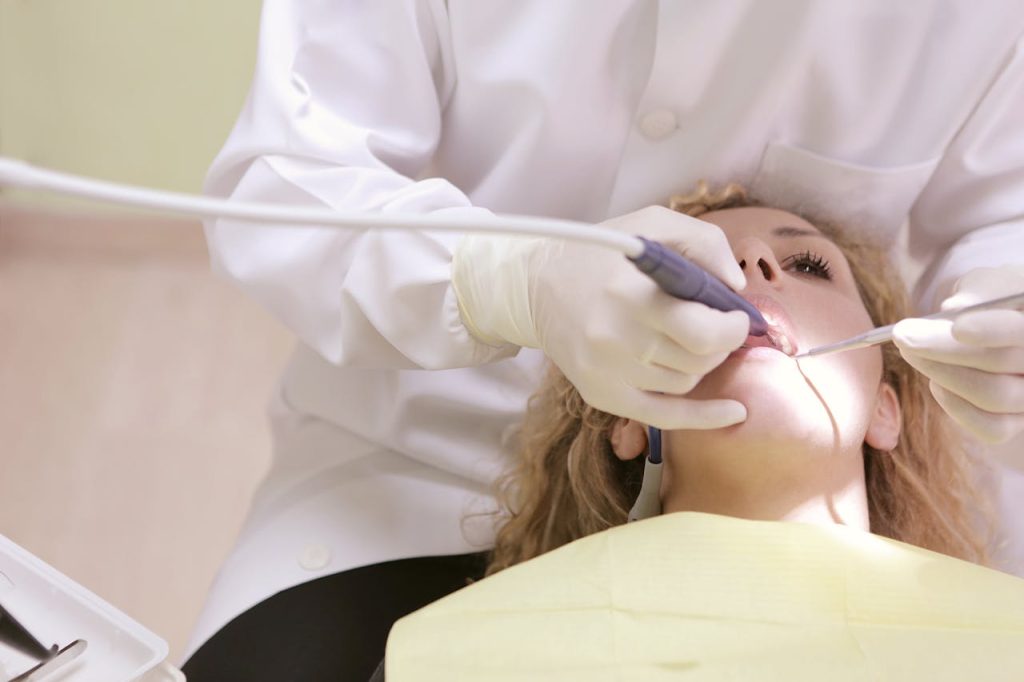
A standard prophylaxis cleaning (the technical term for a routine cleaning) involves:
- Oral examination — The hygienist or dentist checks for signs of cavities, gum disease, and other issues, often using X-rays.
- Scaling — Using specialized tools (manual scalers and/or ultrasonic devices), the hygienist removes plaque and tartar from above and just below the gumline.
- Polishing — A slightly abrasive paste is used to remove surface stains and smooth the tooth enamel, making it harder for plaque to adhere.
- Flossing — The hygienist flosses between all teeth to remove any remaining debris and check the gum pockets.
- Fluoride treatment (often optional) — A fluoride gel or varnish is applied to strengthen enamel and reduce sensitivity.
The whole process typically takes 45 minutes to an hour for a healthy mouth. It’s largely painless, though some sensitivity is normal if it’s been a while.
Regular Cleaning vs. Deep Cleaning: What’s the Difference?
These two procedures are often confused, but they serve very different purposes.
| Regular Cleaning (Prophylaxis) | Deep Cleaning (Scaling & Root Planing) | |
| Purpose | Preventive maintenance | Treatment for gum disease |
| Area cleaned | Above gumline + slight below | Deep below gumline into pockets |
| Who needs it | Healthy gums | Patients with periodontitis |
| Frequency | Every 6 months (or as advised) | As needed; followed by maintenance visits |
| Anesthesia | Usually none | Local anesthetic often used |
| Sessions needed | 1 visit | Typically 2+ visits (quadrant by quadrant) |
If your dentist recommends a deep cleaning, don’t delay it. It’s a therapeutic procedure designed to halt the progression of gum disease — not an upsell.
7 Warning Signs You’re Overdue for a Dental Cleaning
Your mouth often signals when it needs professional attention. Watch out for:
- Bleeding gums when brushing or flossing
- Persistent bad breath (halitosis) that doesn’t improve with brushing
- Visible tartar buildup — that yellow or brown crust along the gumline
- Tooth sensitivity to hot, cold, or sweet foods
- Swollen, red, or receding gums
- Loose or shifting teeth
- A dull, rough feeling on your teeth despite brushing
Any of these symptoms warrants a dental visit sooner rather than later.
What Happens If You Skip Professional Teeth Cleanings?
Skipping cleanings might feel harmless in the short term, but the consequences compound over time:
- Gingivitis (early gum disease) develops, causing redness, swelling, and bleeding
- Periodontitis (advanced gum disease) causes irreversible bone and tissue loss
- Cavities go undetected until they require costly fillings, root canals, or extractions
- Systemic health risks increase — poor oral health is linked to heart disease, diabetes complications, respiratory infections, and cognitive decline
- Dental costs skyrocket — preventive cleanings cost far less than treating the problems that result from neglecting them
Put simply: the $100–$300 spent on a routine cleaning today can save you thousands in restorative dentistry later.
Tips to Get the Most Out of Time Between Cleanings
Professional cleanings work best when paired with a solid at-home routine. Here are evidence-based habits to protect your mouth between visits:
- Brush for 2 full minutes, twice daily — use a soft-bristled toothbrush and fluoride toothpaste
- Floss every single day — even if you’re tired; no brush can reach between teeth
- Use an electric toothbrush — studies show they remove significantly more plaque than manual brushing
- Rinse with an antibacterial mouthwash — especially helpful for those prone to gum disease
- Stay hydrated — water washes away food particles and supports saliva production
- Limit sugary drinks and snacks — especially between meals
- Replace your toothbrush every 3 months — frayed bristles are far less effective
- Chew sugar-free gum after meals — it stimulates saliva and helps neutralize acids
Frequently Asked Questions (FAQ)
Q 1. Is getting teeth cleaned every 6 months really necessary?
For most healthy adults, yes. Every 6 months allows for regular tartar removal, early detection of problems, and a professional assessment of your gum health. Some low-risk individuals may be fine with annual visits — but this should be determined by your dentist, not assumed.
Q 2. Can I get my teeth cleaned too often?
In rare cases, overly frequent cleanings could contribute to minor enamel wear, but this is extremely uncommon with standard professional techniques. For the vast majority of people, the risk of cleaning too infrequently is far greater than cleaning too often. Always follow your dentist’s personalized recommendation.
Q3. How often should adults over 60 get their teeth cleaned?
Older adults often face increased risk factors: dry mouth from medications, gum recession, root exposure, and greater susceptibility to decay. Many dental professionals recommend 3–4 cleanings per year for patients over 60, particularly those with dentures, implants, or systemic health conditions.
Q4. Does dental insurance cover more than 2 cleanings per year?
Many standard dental insurance plans cover 2 cleanings per year. However, if your dentist diagnoses periodontal disease, additional cleanings may be classified as periodontal maintenance and covered under your plan’s medical necessity provisions. Always verify with your insurance provider.
Q5. Are teeth cleanings painful?
A routine cleaning should be minimally uncomfortable. You may experience mild sensitivity, especially if tartar buildup is significant or your gums are inflamed. For patients with dental anxiety or sensitivity, dentists can offer numbing gel, nitrous oxide, or schedule cleanings in shorter sessions.
Conclusion: The Right Cleaning Schedule Is the One You Actually Keep
The most accurate answer to “how often should you get teeth cleaned?” is: as often as your dentist recommends for your individual situation. For most people, that’s every six months. For others — those managing gum disease, diabetes, or other risk factors — it may be every three to four months.
What matters most isn’t a rigid schedule on a calendar. It’s the consistency of showing up, combined with strong daily habits at home. Together, professional cleanings and good hygiene are the most powerful tools you have for a healthy, confident smile — and a healthier body overall.
Don’t wait until something hurts. By then, prevention has already given way to treatment.