

Introduction: Why Your First Dental Visit Matters More Than You Think
Walking into a dental clinic for the first time can feel intimidating. The unfamiliar environment, the sounds of equipment, and the uncertainty of what lies ahead can make anyone anxious. But here’s the truth—your first dental appointment is one of the most important steps toward maintaining long-term oral health.
Whether you’ve never been to a dentist before or it’s been years since your last visit, proper preparation can transform your experience from stressful to smooth and even empowering.
In this detailed guide, you’ll learn exactly how to prepare for your first dental appointment, what to expect during your visit, and practical tips to ensure you walk in with confidence and walk out with a healthier smile.
Why Preparing for Your First Dental Appointment is Important?
Preparation is not just about showing up on time—it’s about ensuring your visit is productive, efficient, and comfortable.
Key Benefits of Preparation:
- Reduces anxiety and fear
- Helps your dentist provide accurate diagnosis
- Saves time during the appointment
- Improves communication with your dental provider
- Leads to better long-term oral health outcomes
7 Step-by-Step Guide to Preparing for Your First Dental Appointment
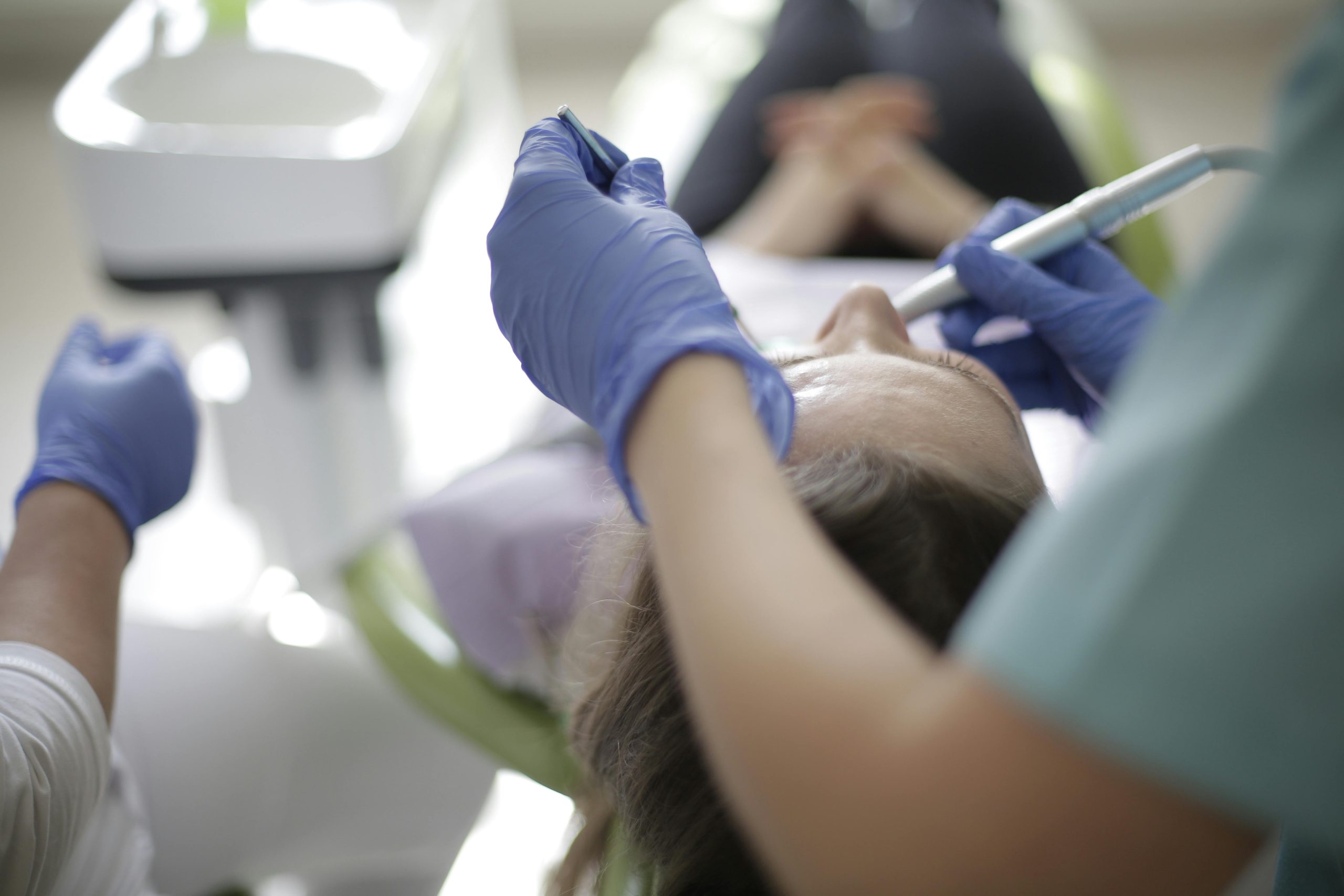
1. Gather Your Medical and Dental History
Before your appointment, make sure you have all relevant health information ready.
What to Prepare:
- Current medications (including supplements)
- Past dental records (if available)
- Allergies (especially to medications or anesthesia)
- Medical conditions (e.g., diabetes, heart issues)
Why this matters: Your oral health is closely linked to your overall health. Your dentist needs a complete picture to provide safe and effective care.
2. Check Your Dental Insurance (If Applicable)
Understanding your insurance coverage can prevent unexpected costs.
Key Things to Check:
- Coverage for first visits or consultations
- Included procedures (cleaning, X-rays, exams)
- Co-payments and deductibles
- In-network vs out-of-network dentists
3. Choose the Right Dentist
Selecting the right dentist plays a huge role in your overall experience.
What to Look For:
- Positive patient reviews
- Experience with first-time patients
- Modern equipment and technology
- Friendly and communicative staff
Tip: If you have dental anxiety, look for dentists who specialize in gentle or sedation dentistry.
4. Make a List of Questions
Your first appointment is the perfect opportunity to ask questions about your oral health.
Suggested Questions:
- How is my overall dental health?
- Do I need any immediate treatment?
- What is the best oral care routine for me?
- How often should I schedule visits?
5. Practice Good Oral Hygiene Before Your Visit
While your dentist doesn’t expect perfection, showing up with clean teeth helps with examination.
Simple Steps:
- Brush your teeth thoroughly
- Floss to remove debris
- Use mouthwash if needed
Avoid aggressive brushing right before the appointment—it can irritate your gums.
6. Avoid Eating Strong-Smelling Foods
Before your visit, skip foods like:
- Garlic
- Onions
- Strong spices
This ensures a more comfortable experience for both you and your dentist.
7. Arrive Early and Stay Relaxed
Arriving 10–15 minutes early allows you to:
- Complete paperwork
- Relax before the appointment
- Avoid feeling rushed
Anxiety-Reducing Tips:
- Listen to calming music
- Practice deep breathing
- Bring a friend or family member if needed
What to Expect During Your First Dental Appointment
Knowing what happens during your visit can significantly reduce fear.
1. Initial Consultation
Your dentist will:
- Review your medical history
- Discuss any concerns or symptoms
- Ask about your oral hygiene routine
2. Comprehensive Oral Examination
The dentist will examine:
- Teeth (for cavities or damage)
- Gums (for signs of disease)
- Tongue and soft tissues
- Bite alignment
3. Dental X-Rays (If Needed)
X-rays help detect:
- Hidden cavities
- Bone loss
- Impacted teeth
4. Professional Teeth Cleaning
A dental hygienist may:
- Remove plaque and tartar
- Polish your teeth
- Provide flossing guidance
5. Treatment Plan Discussion
After the exam, your dentist will:
- Explain findings
- Recommend treatments (if necessary)
- Provide cost estimates
Common Mistakes to Avoid Before Your First Dental Visit
Avoid these common pitfalls to ensure a smooth experience:
- Skipping meals (you may feel dizzy)
- Hiding dental issues out of embarrassment
- Ignoring pain or symptoms
- Not asking questions
- Arriving late
Tips for Managing Dental Anxiety
Dental anxiety is more common than you think. Here’s how to handle it effectively:
Practical Strategies:
- Communicate your fears openly
- Schedule morning appointments
- Use relaxation techniques
- Consider sedation options if necessary
Remember: Dentists are trained to help nervous patients feel comfortable.
What to Bring to Your First Dental Appointment
Checklist:
- ID proof
- Insurance card (if applicable)
- Medical records
- List of medications
- Payment method
After Your Appointment: What Comes Next?
Your dental journey doesn’t end after your first visit.
Follow-Up Actions:
- Schedule your next checkup
- Follow recommended treatments
- Maintain daily oral hygiene
- Adopt a tooth-friendly diet
Long-Term Benefits of Regular Dental Visits
Regular visits help:
- Prevent cavities and gum disease
- Detect issues early
- Maintain a bright smile
- Save money on future treatments
FAQs About First Dental Appointments
Q 1. How long does a first dental appointment take?
Typically, it lasts between 45 minutes to an hour, depending on the examination and procedures involved.
Q 2. Will my first dental visit hurt?
Most first visits are painless. You may feel slight discomfort during cleaning, but it’s generally manageable.
Q 3. How often should I visit the dentist after my first appointment?
Most dentists recommend visits every 6 months, but it may vary based on your oral health.
Q 4. What if I’m embarrassed about my teeth?
There’s no need to feel embarrassed. Dentists are professionals focused on helping, not judging.
Q 5. Can I eat before my dental appointment?
Yes, but avoid heavy meals and strong-smelling foods. Light eating is recommended.
Expert Tips for a Smooth First Dental Experience
- Be honest about your habits (smoking, sugar intake, etc.)
- Follow pre-appointment instructions carefully
- Stay consistent with oral care
- Build a relationship with your dentist
Conclusion: Take the First Step Toward a Healthier Smile
Your first dental appointment is not something to fear—it’s an opportunity to take control of your oral health and build a foundation for a lifetime of healthy smiles.
By preparing properly, understanding what to expect, and maintaining open communication with your dentist, you can turn your visit into a positive and empowering experience.
Don’t wait for pain or discomfort to force you into the dentist’s chair. Take a proactive step today—schedule your first dental appointment and invest in your long-term health and confidence.