A patient guide to veneers
What veneers are, and when they make sense.
The best veneer work is invisible as dentistry. Every case is planned, previewed and hand-finished to suit the person wearing it — and I'll always tell you honestly if a simpler treatment would do the job.
Who veneers suit
What veneers can change
Veneers are one of the most versatile treatments in cosmetic dentistry — but they are not the answer to everything. If whitening, bonding or aligners would serve you better, that's what I'll recommend.
- Chipped, worn or uneven front teeth
- Staining that whitening cannot lift
- Small gaps you'd like closed without braces
- Teeth that look small or out of proportion
- Old bonding or fillings that no longer match
- A smile that has never quite felt like yours
How treatment works
Four steps, no surprises
The conversation
We start with what you want to change — and just as importantly, what you want to keep. Photos, a full examination and an honest view on whether veneers are the right route at all.
The design
Your new smile is planned before anything touches a tooth. We preview shape, length and shade together, so there are no surprises on fitting day.
The preparation
Minimal, careful preparation — often less than patients expect. Provisionals let you live with the design and request adjustments before anything is final.
The fitting
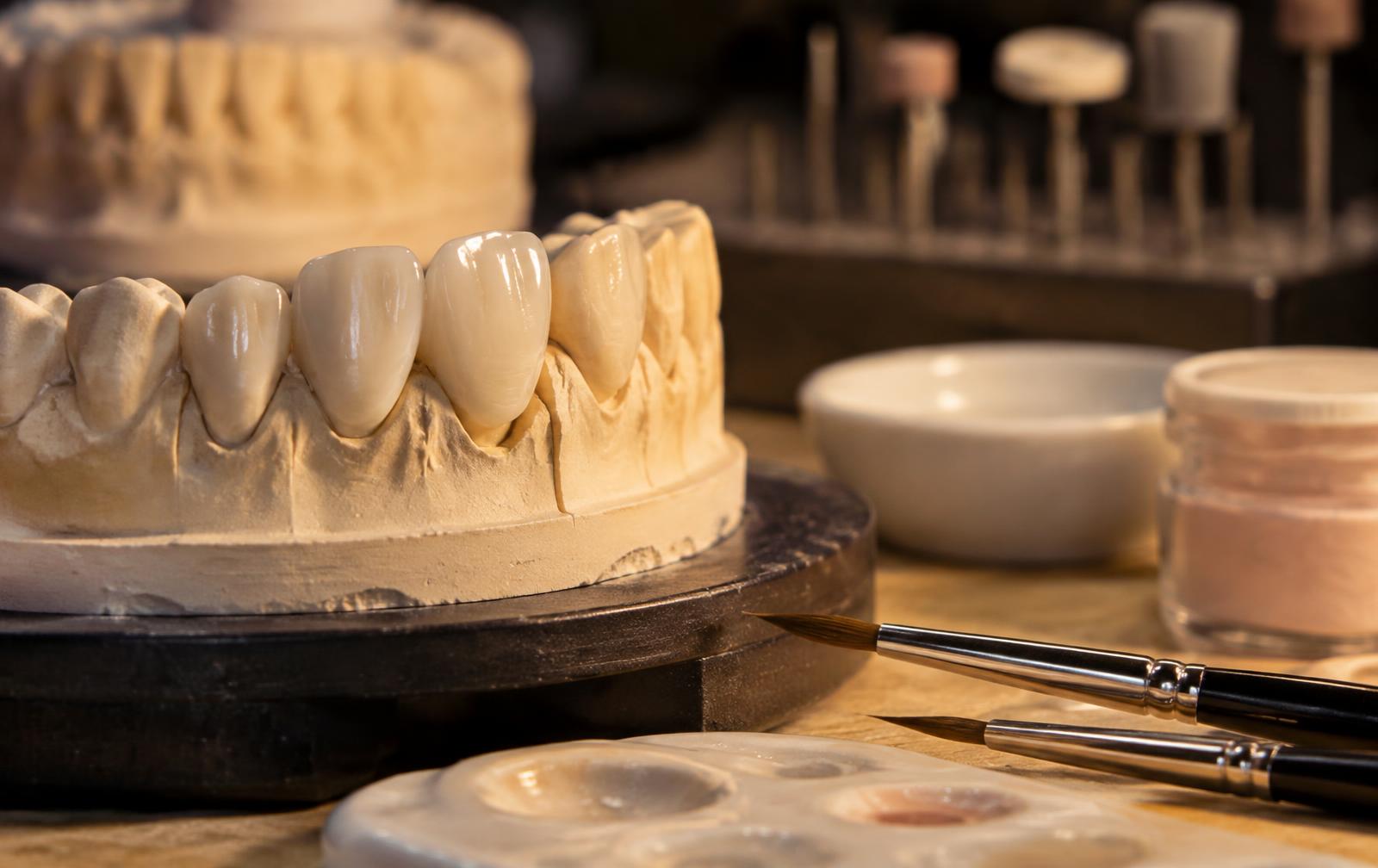
Hand-finished porcelain from a master ceramist, bonded and refined until it disappears into your smile. Then we look after it together for the long term.
From the journal
Read before you decide
The two questions I'm asked most about veneers — cost and how long they last — answered in full, plus how to choose between veneers and bonding.
How much do veneers cost in the UK?
What veneers typically cost across the UK, what should be inside any quote, and the questions worth asking before you commit.
Read the guideHow long do veneers last?
The honest lifespan of porcelain and composite, what shortens it, and the habits that keep veneers looking good for a decade or more.
Read the guideVeneers or bonding: how to decide
Two treatments that can achieve similar things, at very different price points. How I help patients choose between them.
Read the guideCommon questions
Veneers, answered honestly
Do veneers damage your teeth?
Porcelain veneers require some preparation of the tooth surface, but modern techniques are far more conservative than they once were. Where possible I recommend minimal-preparation or no-preparation options, and I'll always tell you honestly if bonding or aligners would achieve the same result with less intervention.
What's the difference between porcelain and composite veneers?
Porcelain veneers are made by a ceramist in a laboratory — they last longer, resist staining and look the most natural, but cost more and take two or more visits. Composite veneers are sculpted directly onto the tooth in a single visit at a lower cost, but typically need maintenance or replacement sooner.
How many veneers do I need?
It depends entirely on your smile and what shows when you talk and laugh. Some patients need two; others choose eight or ten for a complete change. At your consultation I'll show you exactly what I see and we'll decide together.
Will they look natural?
That is the entire point. Shade, translucency, texture and shape are all chosen to suit your face and your existing teeth — and you preview everything before it's final. Good veneers should be invisible as dentistry.
Before you decide
Risks and alternatives
Like any dental treatment, veneer treatment carries risks, and whether it suits you depends on a full examination. Things to weigh up can include sensitivity, the need for maintenance or replacement in future, and whether healthy tooth structure has to be altered.
Alternatives may include a less invasive option, a different treatment, or no treatment at all. Your written plan sets out the risks, alternatives and fees that apply to you before you decide.